Anime Joker: the cartoons and anime India grew up with, and where to watch them
From Chhota Bheem, Motu Patlu, Little Singham and Little Krishna to Shin-chan, Doraemon, Ninja Hattori, Tom and Jerry, Scooby-Doo, The Powerpuff Girls and Johnny Bravo in Bollywood. Search a title and press Watch now.
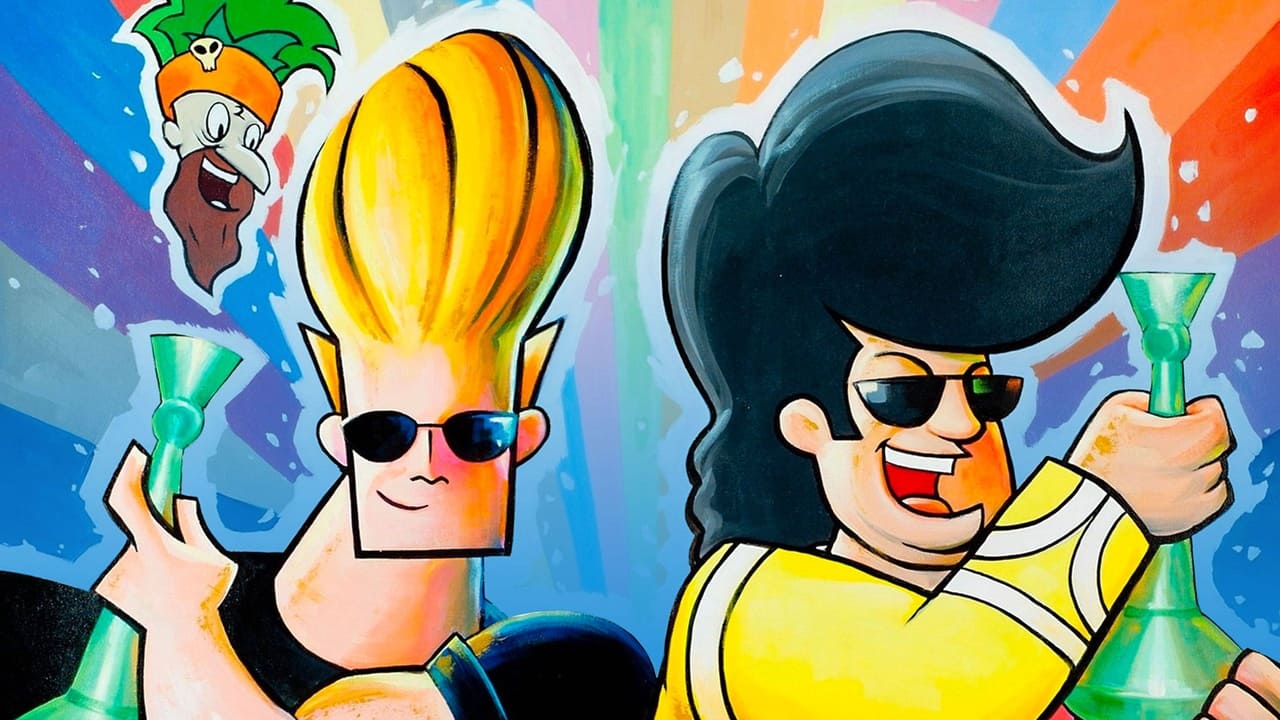
After watching a True Hollywood Stories-type documentary in which he is considered a forgotten star, Johnny Bravo travels to Mumbai, the entertainment capital of India, to prove himself he is still popular, confusing Bollywood, India, with Hollywood and Indiana respectively.
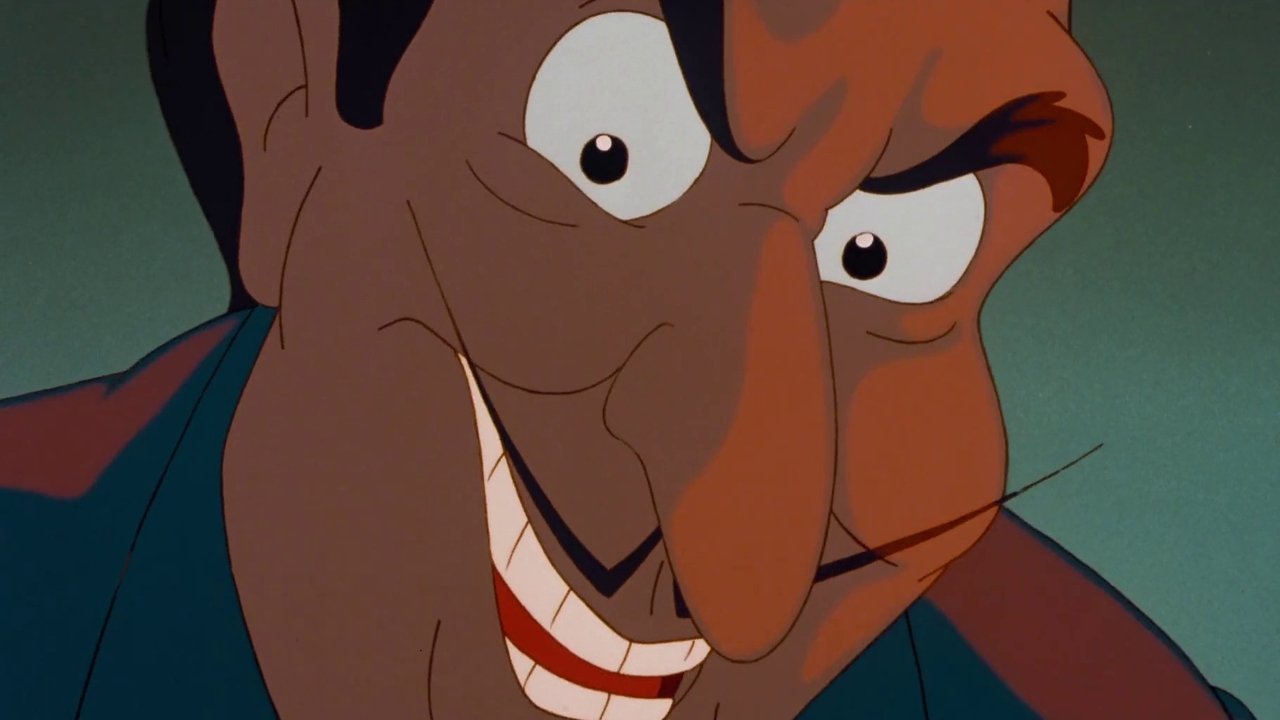
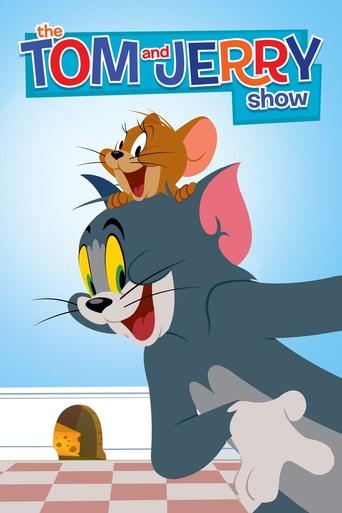
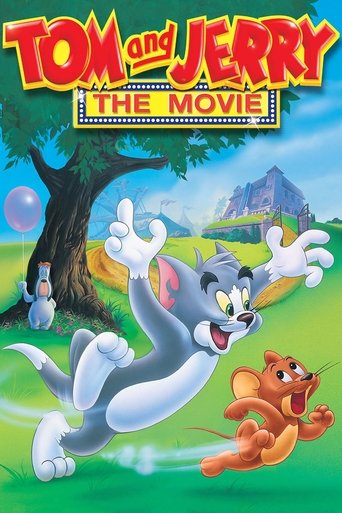
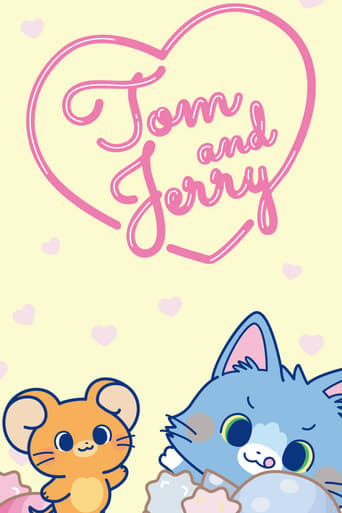
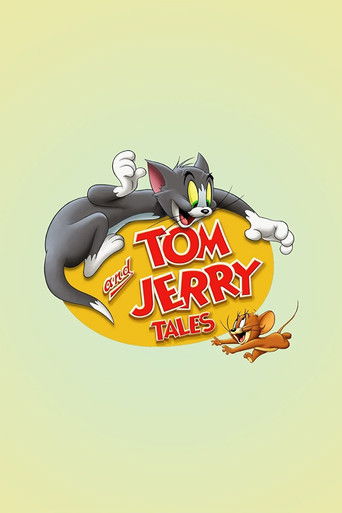
The popular cartoon cat and mouse are thrown into a feature film. The story has the twosome trying to help an orphan girl who is being berated and exploited by a greedy guardian.
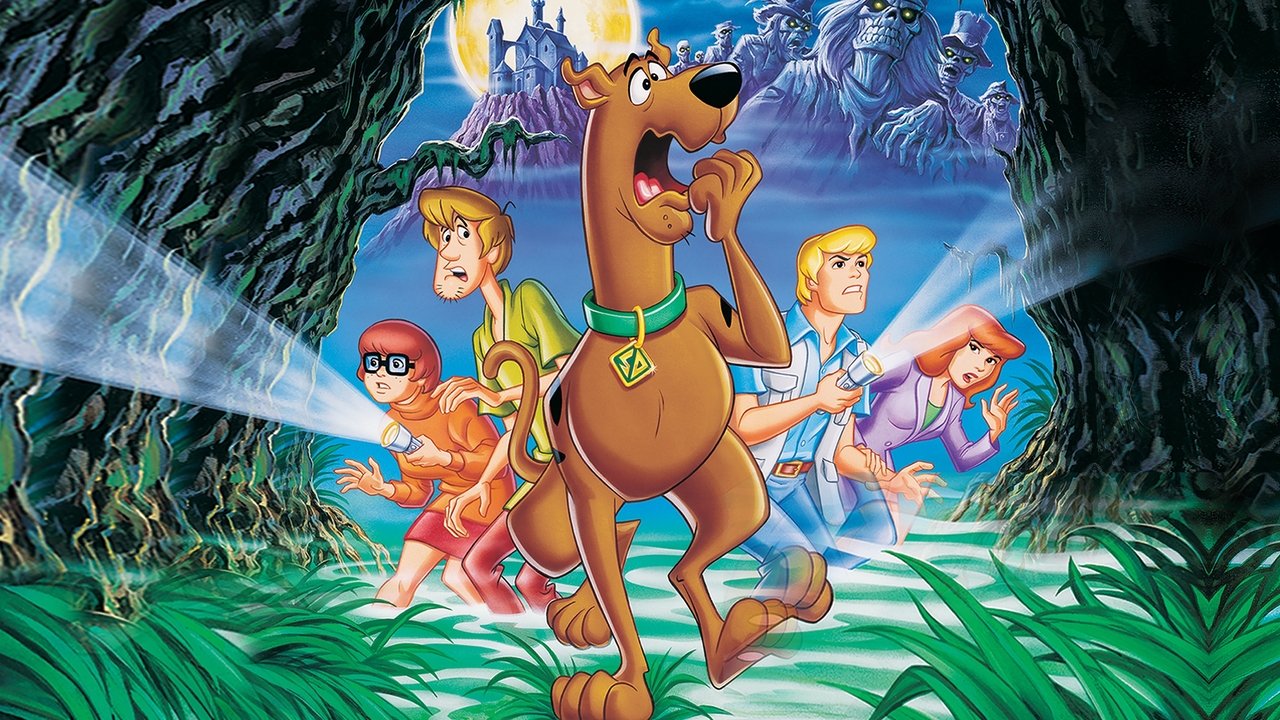
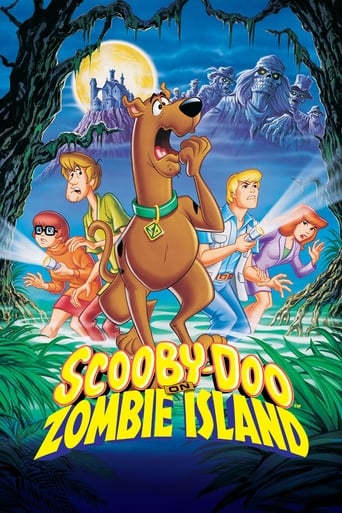
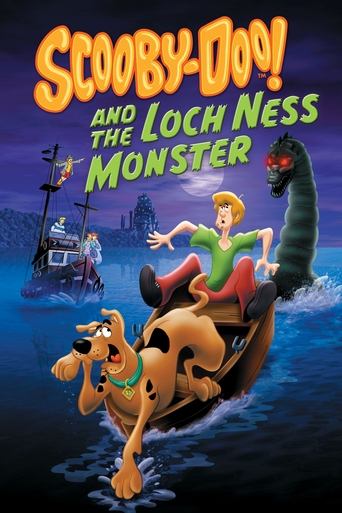
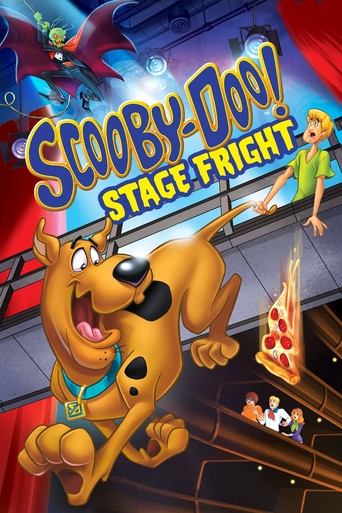
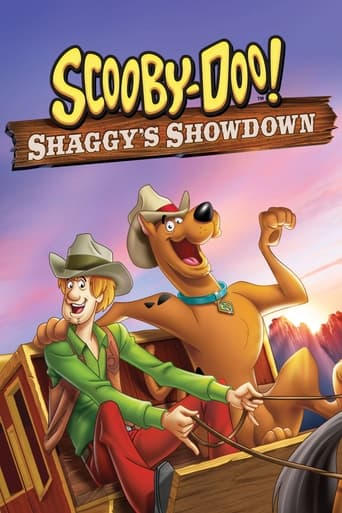
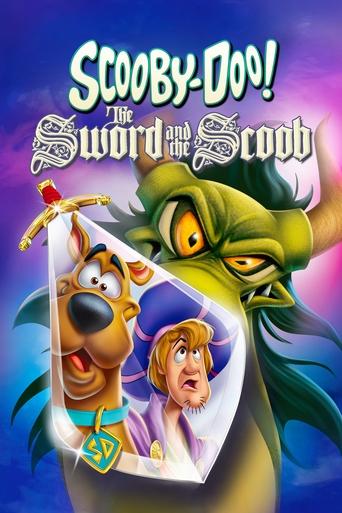
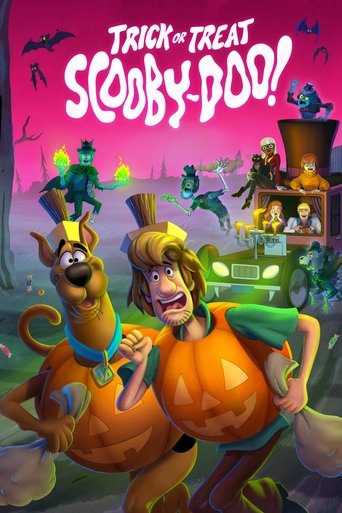
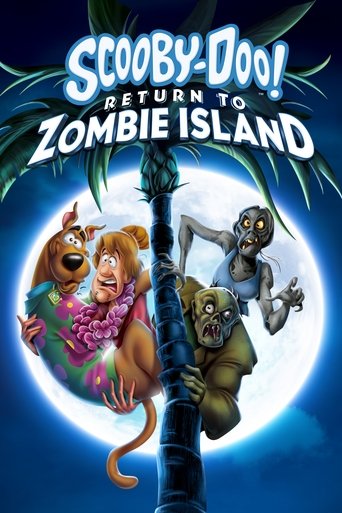
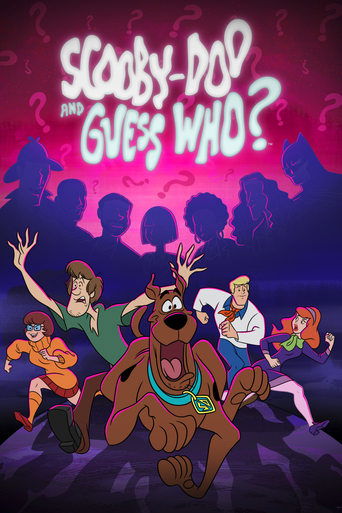
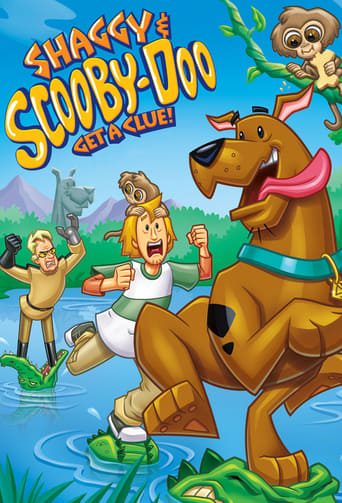
After going their separate ways, Scooby-Doo, Shaggy, Velma, Daphne, and Fred reunite to investigate the ghost of Moonscar the pirate on a haunted bayou island, but it turns out the swashbuckler's spirit isn't the only creepy character on the island. The sleuths also meet up with cat creatures and zombies... and it looks like for the first time in their lives, these ghouls might actually be real.
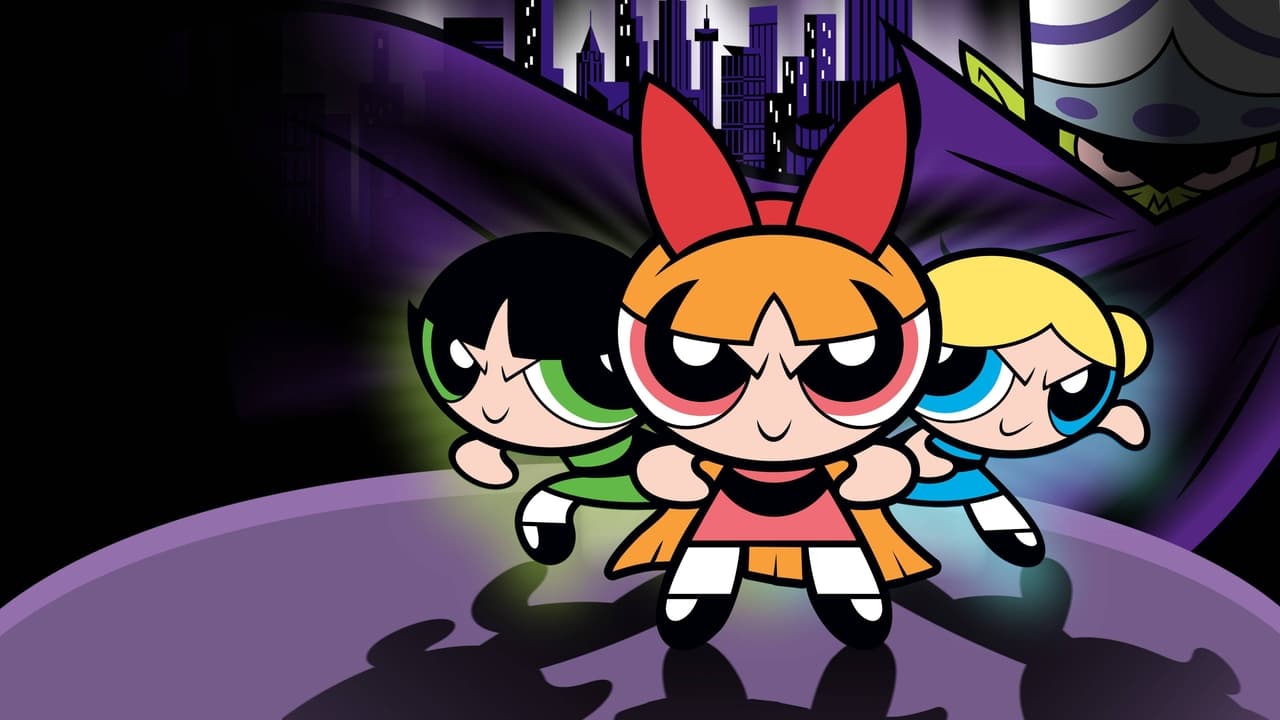
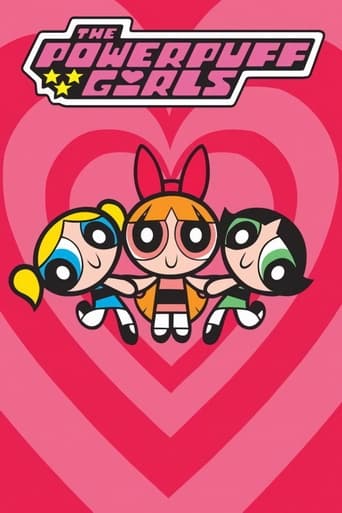
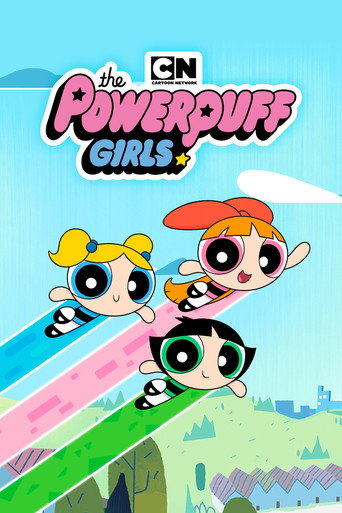
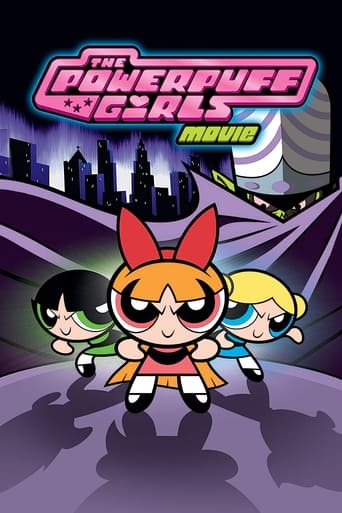
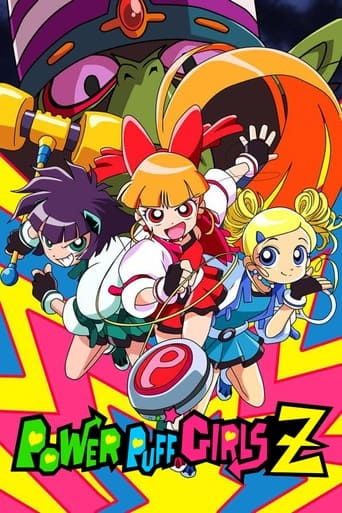
After destroying the city of Townsville in a game of tag, a trio of superpowered little girls must redeem themselves by stopping a vengeful monkey's plot for world domination.
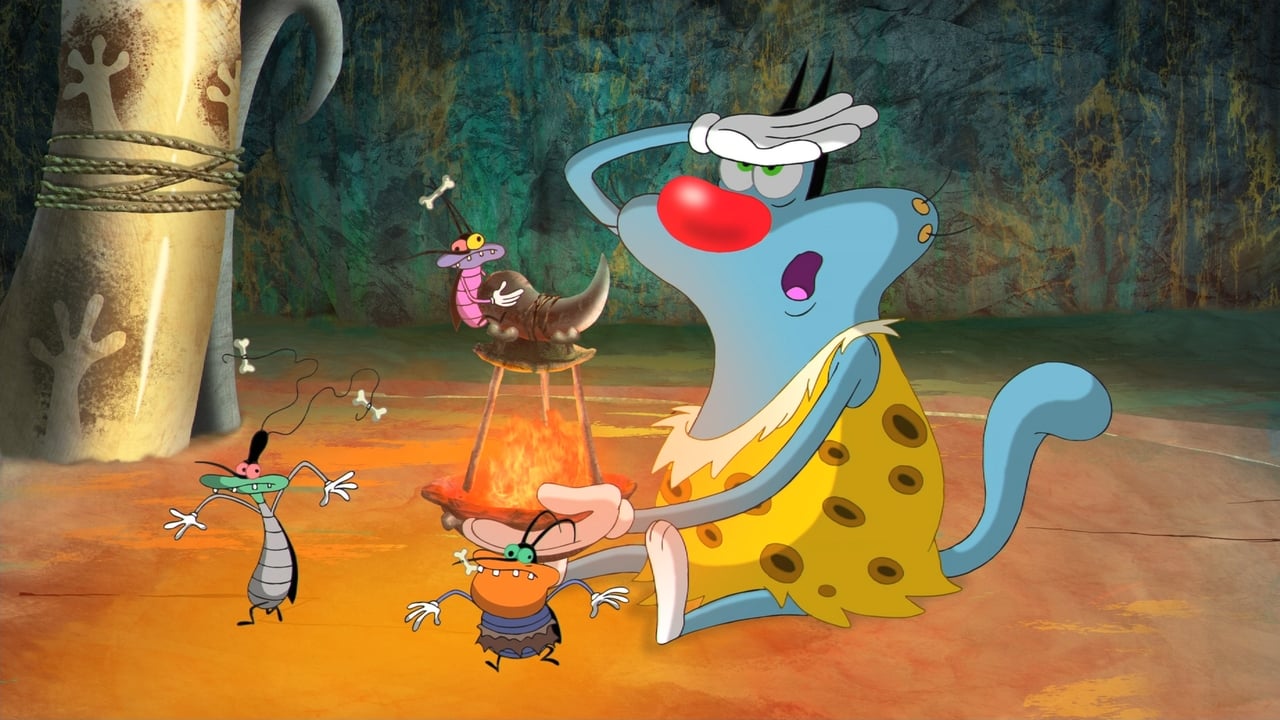
Ever since the world was born, two forces have been locked in perpetual battle. Their struggle is so Manichean, so ferocious, so Herculean that it makes the clash between good and evil look like a game of checkers! This ancestral duel is so ancient and so merciless that it can only be, Oggy against the Cockroaches!
Anime Joker: the cartoons and anime India grew up with, from Chhota Bheem, Motu Patlu and Little Krishna to Shin-chan, Doraemon, Tom and Jerry and Scooby-Doo
Ask anyone who grew up in India since the late 1990s about their favourite cartoons and the answers come quickly: Tom and Jerry after school, Shin-chan's cheeky jokes in Hindi, Doraemon's gadgets, Scooby-Doo's mysteries, the Powerpuff Girls saving Townsville, and later Chhota Bheem, Motu Patlu and Little Singham, heroes made in India for Indian children. Anime Joker is a guide to that shared childhood.
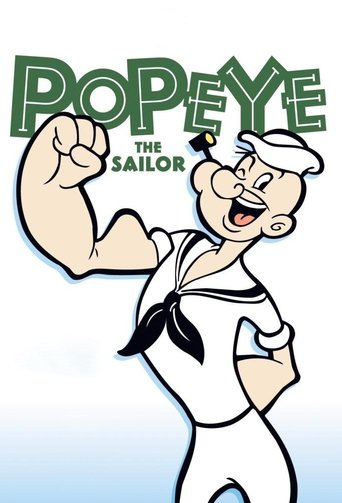
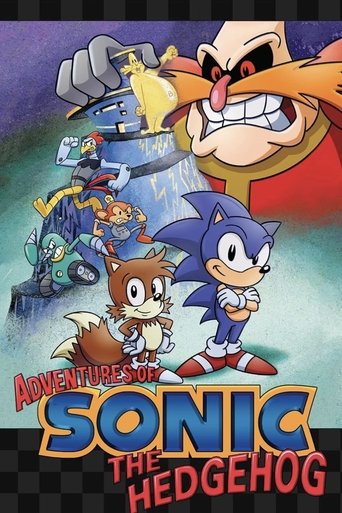
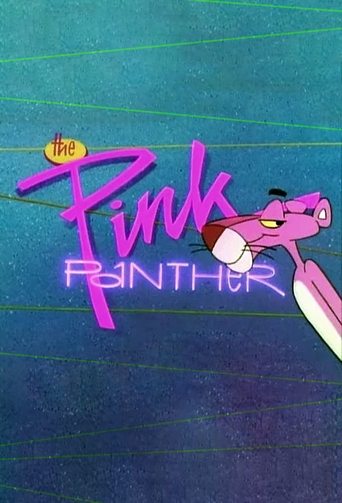
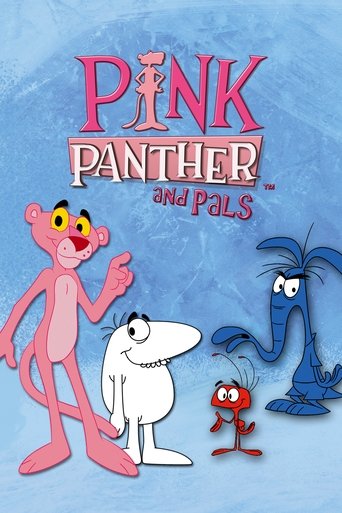
Here you will find Indian animation from Green Gold, Cosmos-Maya and Reliance Animation, films about Krishna, Rama and Shiva, the Crayon Shin-chan and Doraemon films, Ninja Hattori, Perman, Kiteretsu and Hamtaro, the classic Cartoon Network series and films, Scooby-Doo, Tom and Jerry, Looney Tunes, Popeye, the Pink Panther, Sonic, Oggy and Johnny Bravo's trip to Bollywood. Every title has its own page with the story, the studio, the voice cast and, for series, every episode with its original air date, plus a Watch now button that opens it on the official services in your country.
The collection holds more than two hundred titles, each chosen by hand. This page explains how Anime Joker is built, what each part of the design is for and what waits on each shelf. It also tells the story of cartoons on Indian television, introduces the characters you will meet and suggests routes through the collection for children, parents and grown-ups looking back on their own childhood.
Cartoons on Indian television
Cartoons arrived on Indian television in a big way in the 1990s, when satellite channels brought round-the-clock animation into millions of homes. Cartoon Network launched in India in 1995 and soon began dubbing its shows into Hindi, and later into Tamil and Telugu, so that children could watch Tom and Jerry, Scooby-Doo, Johnny Bravo and Dexter's Laboratory in their own languages. In the 2000s, new children's channels such as Pogo, Hungama and Nickelodeon India added Japanese anime to the mix, and Shin-chan, Doraemon, Ninja Hattori and Kiteretsu became household names.
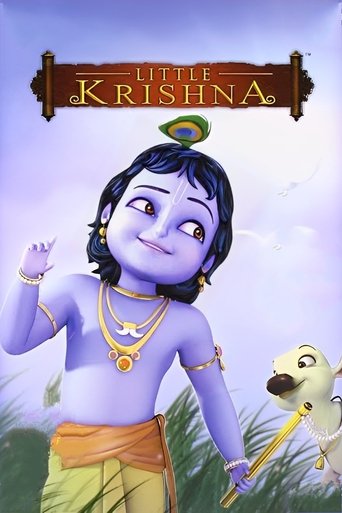
Dubbing was the secret of their success. Indian voice artists gave the characters new personalities, local jokes and catchy phrases, and many children only learned later that Shin-chan and Doraemon came from Japan. At the same time, Indian studios grew rapidly. In 2008, Green Gold Animation of Hyderabad launched Chhota Bheem on Pogo, and it became one of the most watched children's shows in the country. Motu Patlu, Little Singham, Little Krishna and Mighty Raju followed, and Indian animation found its own voice.
Anime Joker gathers the favourites of all those years in one place, so parents can share their childhood cartoons with their own children and grown-ups can revisit the shows they loved. The shelves mix Indian and international titles, and the title pages list the languages each title is available in on official services.
The Anime Joker design
Anime Joker follows the look of the archived animejoker.com home page of January 2026, a WordPress site built on the popular TOROFILM theme. The page is a deep purple-black, and the wordmark shows the words Anime and Joker in bright blue with a thick red outline, around a small jester's face. At the top of the home page, a large version of the wordmark sits above a wide, rounded search box with a white border, inviting you to type the name of any cartoon.
Below it, a featured slider presents a handful of favourites, each with a backdrop, a TMDB score, the year, a few lines of the story and a cyan Watch now button. Then comes a two-column block, just as on the reference. The wide column holds a Series grid and a Movies grid of posters, each with the TMDB score in cyan, the year and, for movies, a small FHD badge; pointing at a poster reveals a View serie or View movie button. The narrow sidebar holds Latest Episodes, a grid of stills with black badges such as 2x13 that show the season and episode, and a compact list of Movies.
Section headings are bold white with a thin purple rule and a rounded View more link, and the shelves, the help pages and this guide follow in the same style. The accent colours come straight from the reference theme: cyan for links, buttons and scores, and purple for highlights.
How to use Anime Joker
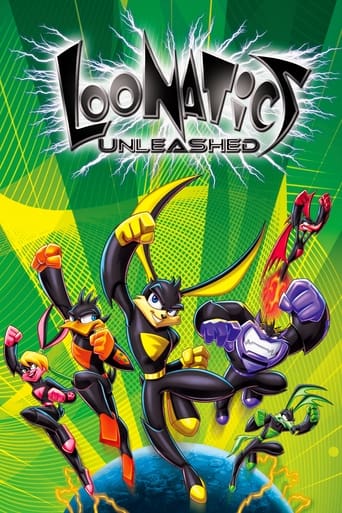
The quickest way in is the big search box at the top of the home page. It understands English titles and original titles, so you can type Chhota Bheem, छोटा भीम or クレヨンしんちゃん and land on the right page. For series, you can add a season and an episode, as in Loonatics Unleashed S2E3, to go straight to a single episode.
The featured slider, the Series and Movies grids and the Latest Episodes sidebar offer more doors, and the shelves below gather titles by character, by country and by channel. The Browse page lists every title from A to Z, and each shelf page lists everything in its collection, most popular first.
Every title page gives the story, the year, the running time or the number of episodes, the studio and the voice cast. Series pages list every episode with its original air date. At the top of each page, the Watch now button asks for your country and then opens JustWatch, which lists the subscription services, rental shops and free services that carry the title where you live. The Add to My List button saves a title in your browser for later.
Chhota Bheem
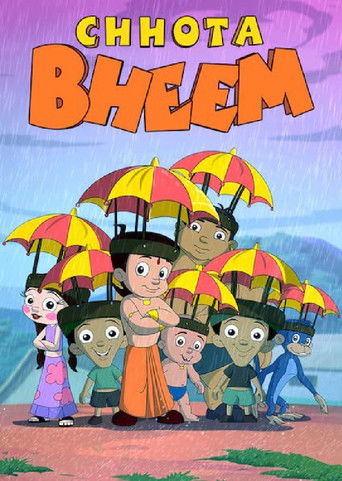
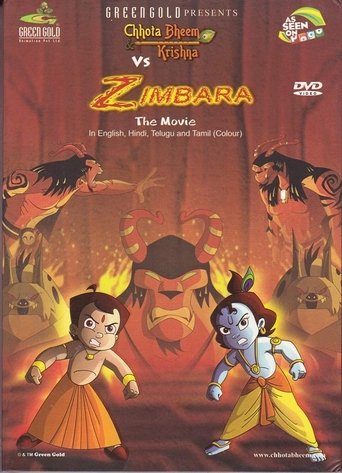
Chhota Bheem is the biggest star of Indian animation. Created by Rajiv Chilaka and made by Green Gold Animation in Hyderabad, the series first aired on Pogo in 2008. Bheem is a brave, strong and kind-hearted boy who lives in the kingdom of Dholakpur and gains his extraordinary strength from laddoos. With his friends Chutki, Raju and the monkey Jaggu, and his playful rivals Kalia, Dholu and Bholu, he protects the kingdom and its king, Indraverma, from demons, bandits and wicked magicians.
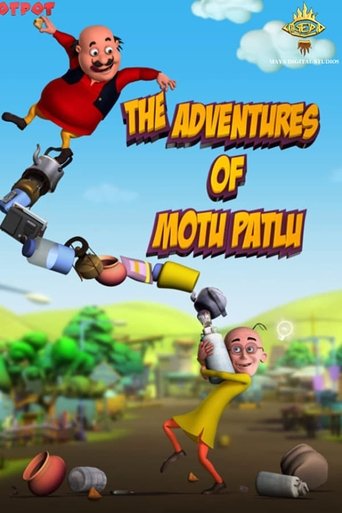
Motu Patlu is the other giant of Indian children's television. The characters were created in the 1960s by Kripa Shankar Bhardwaj for the children's magazine Lotpot, and in 2012 the Mumbai studio Cosmos-Maya brought them to Nickelodeon India. Motu is a big, cheerful man who loves samosas, and Patlu is his thin, clever friend who always has a plan. They live in the town of Furfuri Nagar, where their neighbours include the inventor Dr. Jhatka, the vain police inspector Chingum and the bumbling gangster John the Don.
Little Singham, Mighty Raju and more Indian heroes
The Bheem and friends shelf gathers the heroes of Indian children's television. Little Singham, made by Reliance Animation and first shown on Discovery Kids in 2018, is a pint-sized police officer inspired by the popular Bollywood action films of the director Rohit Shetty. He fights crime in the town of Mirchi Nagar with a big voice and a bigger heart. In Little Singham in London, he visits the city to meet the queen and finds himself hunting for the stolen Kohinoor diamond, and Little Singham: Mahabali, Little Singham Bandarpur Mein Hu Ha Hu and Little Singham aur Kaal ka Mahajaal continue his adventures. Little Singham in Multiverse takes him to new worlds.
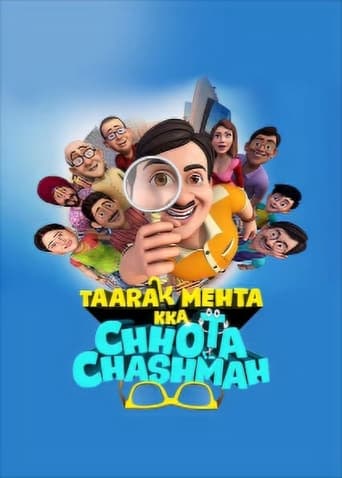
Mighty Raju, another Green Gold creation, is a four-year-old with super strength, gained when his mother accidentally took an experimental compound before he was born. Mighty Raju: The Movie tells his origin story, and a sequel sends him to Brazil. Shiva: Journey to Plunotaria follows a young superhero from another popular Nickelodeon series, and the animated Taarak Mehta Kka Chhota Chashmah brings the neighbours of Gokuldham Society, from one of India's longest-running sitcoms, into cartoon form.
The Indian cartoons shelf also holds a handful of animated short films from independent Indian animators, such as One, Many, and Unity, a 1974 film about the strength of unity, The Legend of Arana, a tiny folk tale from Kerala, and Dishkyaaon!!!, a lively mix of digital and traditional animation from Karnataka. O' Faby, made in 1993, was the first Malayalam film to combine live action and animation, the story of a boy and his animated friend.
Mythology
The Mythology shelf gathers animated films about the gods and heroes of Indian legend. These stories are told to Indian children by their grandparents, and animation brings them to life with colour, music and adventure.
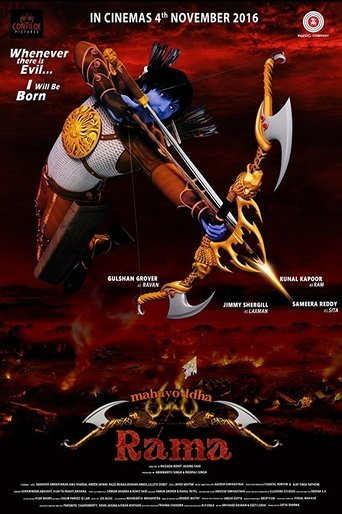
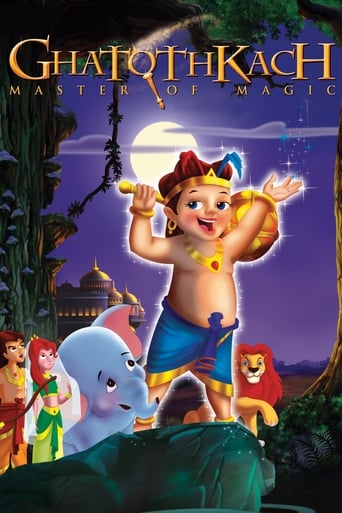
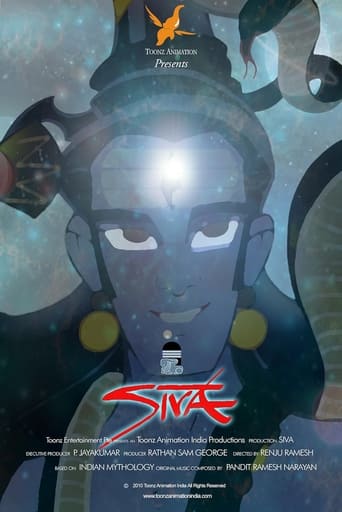
The Ramayana inspires Sons of Ram, which follows Luv and Kush, the twin sons of Rama and Sita, and Mahayoddha Rama, a 3D film that retells the epic from the point of view of the ten-headed Ravana, with his heads providing plenty of comedy. Tales of Siva 1 and Tales of Siva 2 present stories of Lord Shiva as told by a grandmother to her grandchildren, and Ghatothkach - Master of Magic, directed by the veteran film-maker Singeetam Srinivasa Rao, is a musical about the magical forest prince from the Mahabharata and his elephant friend Gajju.
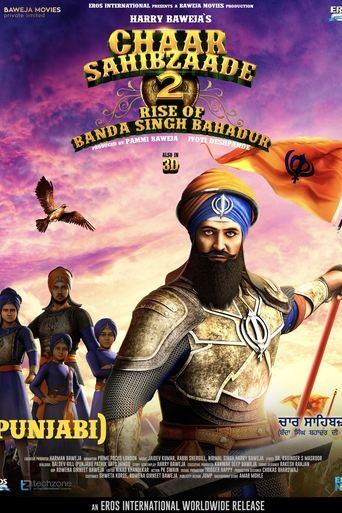
The shelf also holds The World of Goopi and Bagha, a musical adventure based on the beloved Bengali characters of Upendrakishore Ray Chowdhury and Satyajit Ray, two wise fools who are given magical gifts of music, and Chaar Sahibzaade: Rise of Banda Singh Bahadur, a Punjabi historical epic about one of the great warriors of Sikh history.
Crayon Shin-chan
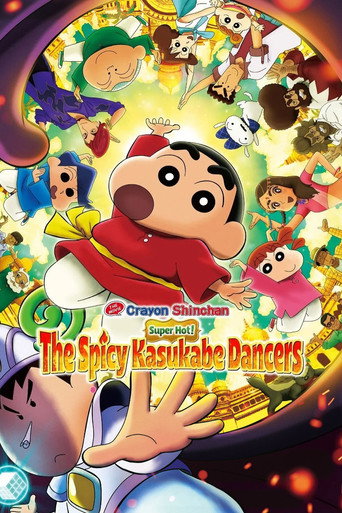
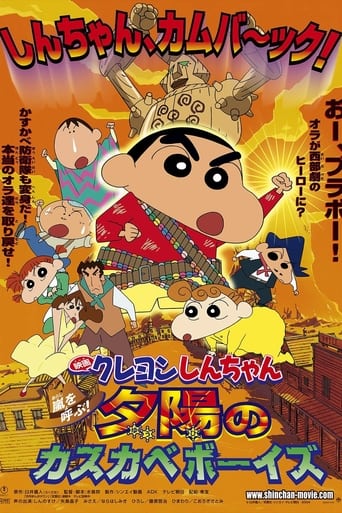
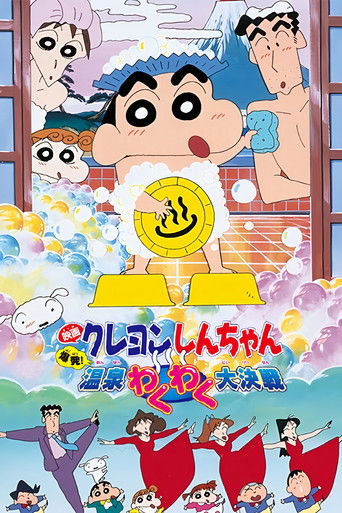
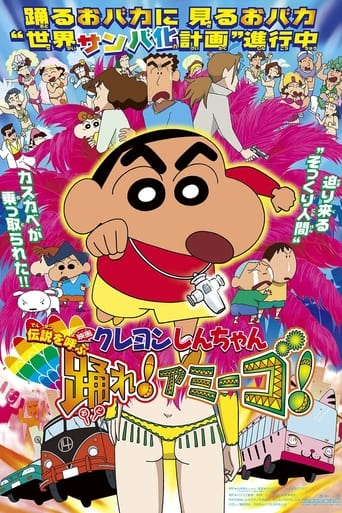
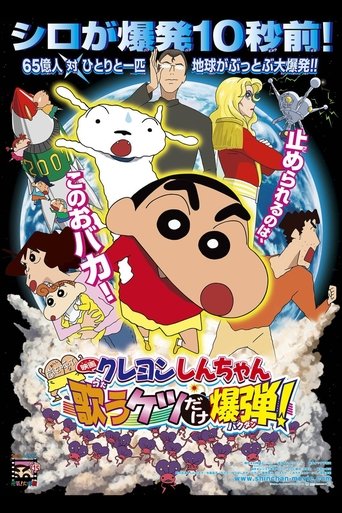
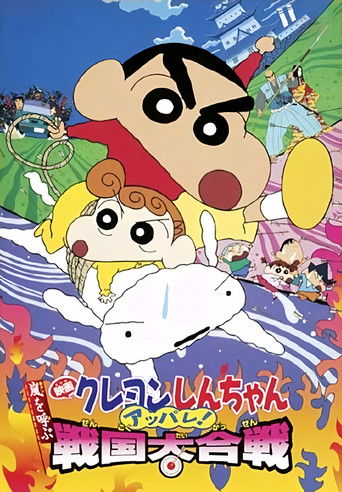
The Shin-chan shelf follows the most mischievous five-year-old in animation. Created by the manga artist Yoshito Usui in 1990, Shinnosuke Nohara lives with his parents Misae and Hiroshi, his baby sister Himawari and his dog Shiro in the town of Kasukabe, near Tokyo. He loves the television hero Action Kamen, teases grown-ups, dances a silly bottom dance and says exactly what he thinks, to the despair of his mother and the delight of millions of viewers.
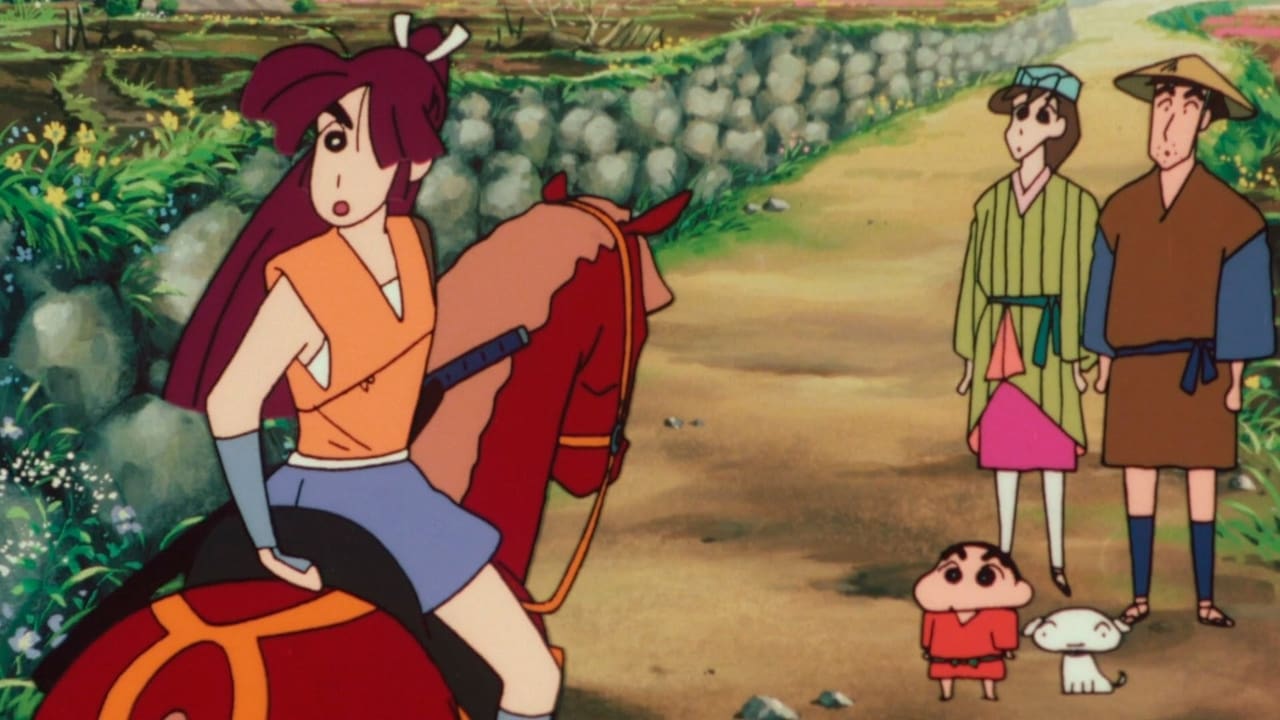
When the Hindi dub arrived on Hungama TV in 2006, Shin-chan became a phenomenon in India, so popular that the dub was later softened to suit parents' wishes. The Crayon Shin-chan films, released in Japan every spring since 1993, are bigger adventures in which Shin-chan and his family save the day. Crayon Shin-chan: Unkokusai's Ambition sends Shin-chan back in time to stop a villain from changing history, Crayon Shin-chan: Blitzkrieg! Pig's Hoof's Secret Mission makes him a secret agent, and Crayon Shin-chan: Roar! Kasukabe Animal Kingdom finds his parents turned into animals.
Indian animation has a longer history than many people realise. In the 1950s, the government's Films Division set up a cartoon unit in Mumbai, where animators trained by a Disney veteran made educational and public-service films. One of the best known is One, Many, and Unity, a short film of 1974 that uses a simple story about a bundle of sticks to teach the strength of unity. It was shown for years on the national broadcaster Doordarshan, and many Indians still remember its song.
Ram Mohan, often called the father of Indian animation, worked at Films Division and later founded his own studio, training a generation of animators. In the 1990s and 2000s, Indian studios in Mumbai, Hyderabad, Chennai, Bengaluru and Kolkata grew rapidly by working on international productions, and they gradually began to create their own characters. The success of animated mythology films in the mid-2000s, and then of Chhota Bheem on television, proved that Indian audiences loved Indian heroes.
Today India is one of the world's great centres of animation, with studios producing series for global streaming services as well as for Indian channels. Characters such as Chhota Bheem, Motu Patlu and Little Singham are household names, sold as toys, books and school bags, and their films appear in cinemas and on streaming services around the world. Anime Joker follows that story through the titles on its shelves.
The channels that shaped a generation
For children growing up in India in the 1990s and 2000s, the choice of cartoon channel said a lot about them. Cartoon Network brought the American classics and its own original series, from Scooby-Doo and Tom and Jerry to The Powerpuff Girls, Dexter's Laboratory, Johnny Bravo and Ben 10. Pogo, launched in 2004, mixed international cartoons with new Indian shows and became the first home of Chhota Bheem.
Hungama TV, also launched in 2004, became famous for its Japanese anime: Shin-chan, Doraemon, Kiteretsu and Hagemaru were all hits on the channel, dubbed with lively Hindi voices. Nickelodeon India brought Ninja Hattori, Motu Patlu and Shiva, and Discovery Kids became the home of Little Singham. Each channel had its own personality, its own jingles and its own after-school schedule, and many adults can still hum the theme tunes.
The rise of streaming has changed how children watch cartoons, but the favourites remain the same. Many of the series on Anime Joker are now available on demand, and parents can share the cartoons of their own childhood with their children at any time of day.
Voices and catchphrases
Part of the magic of Indian cartoon dubs is the voice acting. Indian voice artists often gave characters a completely new personality, with local jokes, regional accents and catchphrases that became part of everyday speech. Shin-chan's Hindi voice made him cheekier than ever, Doraemon's gentle Hindi voice made him a friend to millions, and Nobita's cries for help became a running joke in schoolyards across the country.
Indian characters have catchphrases of their own. Motu's love of samosas, Patlu's clever plans, Little Singham's booming call to action and Chhota Bheem's cheerful courage are known to every child who watches Indian television. Many of these voices belong to a small group of talented artists who have voiced dozens of characters over the years, and they are celebrities in their own right.
Festivals and seasons
Indian children often watch special cartoon films during school holidays and festivals, and the collection is arranged to make that easy. The Mythology shelf is perfect for Janmashtami, when Krishna's birth is celebrated, and for Diwali and Dussehra, when the story of Rama is told. The Christmas specials of Looney Tunes, Tom and Jerry, the Powerpuff Girls, the Pink Panther and Sonic are lovely for the winter holidays, and the summer holidays are the time for long film marathons of Chhota Bheem, Motu Patlu and Shin-chan.
Many families have their own traditions, such as watching a new Chhota Bheem film every summer or a Scooby-Doo mystery every Halloween. Anime Joker is built to help you keep those traditions and to start new ones, with every title a single search away.
Doraemon
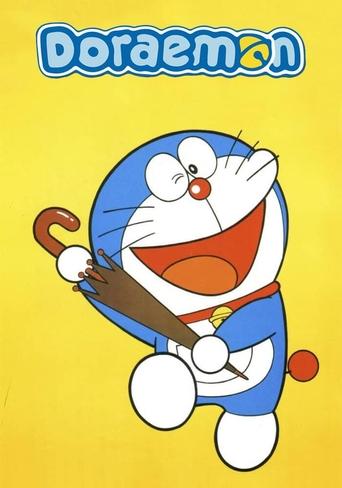
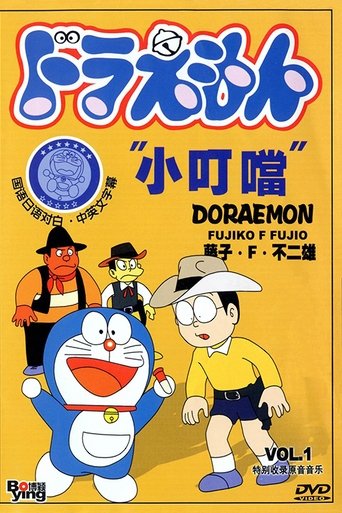
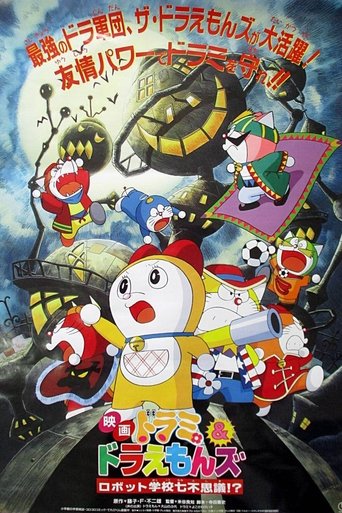
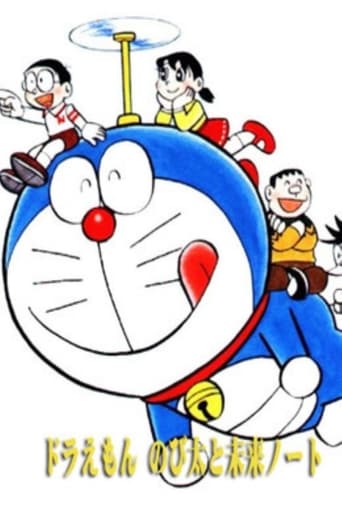
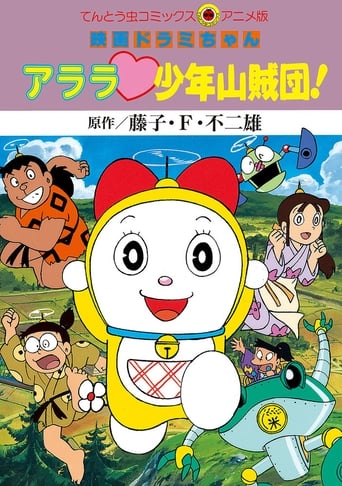
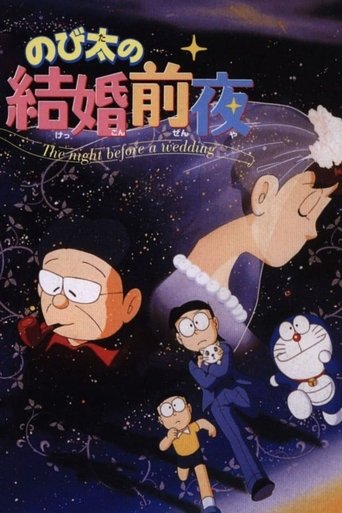
The Doraemon shelf follows the blue robot cat from the 22nd century. Created in 1969 by Fujiko F. Fujio, Doraemon travels back in time to help Nobita Nobi, a kind but lazy and clumsy schoolboy, with a four-dimensional pocket full of futuristic gadgets: the Anywhere Door, the Take-copter, the Time Machine and hundreds more. Nobita's friends Shizuka, the bully Gian and the rich boy Suneo complete the gang, and their everyday adventures teach gentle lessons about friendship, honesty and hard work.
The Anime favourites shelf gathers the other Japanese series that Indian children loved. Many come from the same creators as Doraemon: Fujiko Fujio, the partnership of Hiroshi Fujimoto and Motoo Abiko, who created a whole universe of friendly heroes.
Ninja Hattori, created by Fujiko A. Fujio, is a young ninja from Iga who comes to live with an ordinary Tokyo schoolboy, Kenichi, along with his little brother Shinzo and his ninja dog Shishimaru. The Hindi dub on Nickelodeon made him a star in India, and in 2013 an Indian studio co-produced a new series, making Hattori a true Indo-Japanese hero. The shelf holds the early films Ninja Hattori: Picture Diary and Hattori and the War of the Little Ninja Villages.
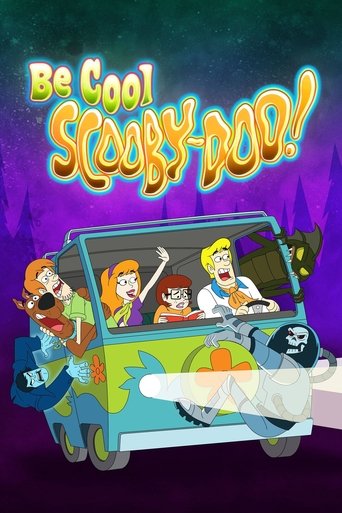
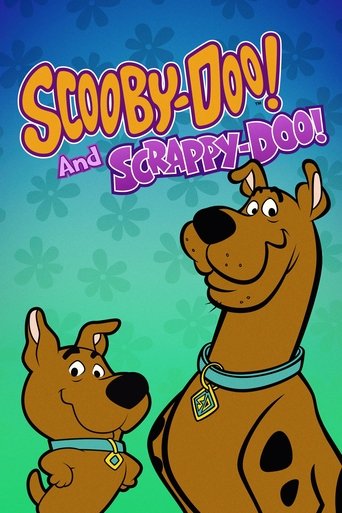
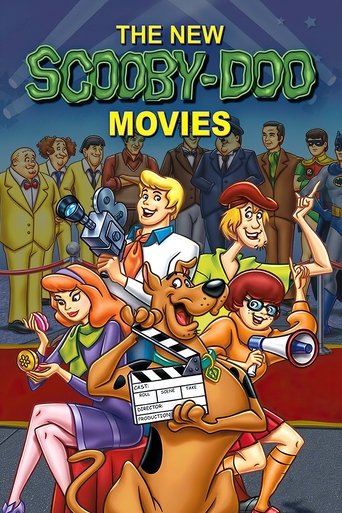
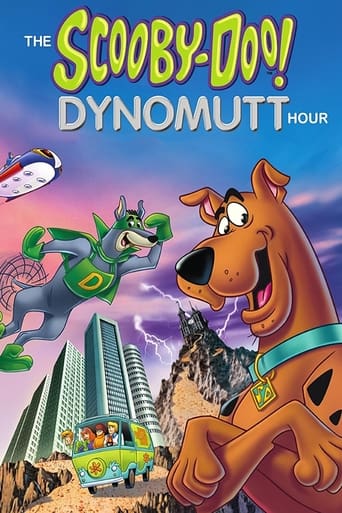
The Scooby-Doo shelf is one of the largest in the collection. Created by Hanna-Barbera in 1969, Scooby-Doo is a talking Great Dane who solves mysteries with four teenage friends: the leader Fred, the fashionable Daphne, the clever Velma and his best friend, the always hungry Shaggy. Together, as Mystery Inc., they drive the Mystery Machine from one haunted house to the next, and at the end of each case the ghost or monster is unmasked as an ordinary villain in disguise.
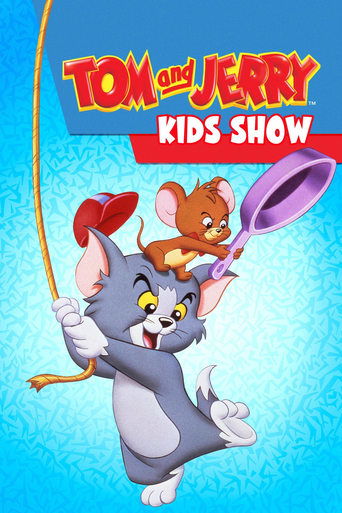
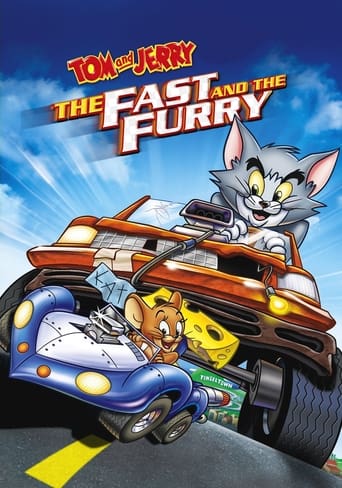
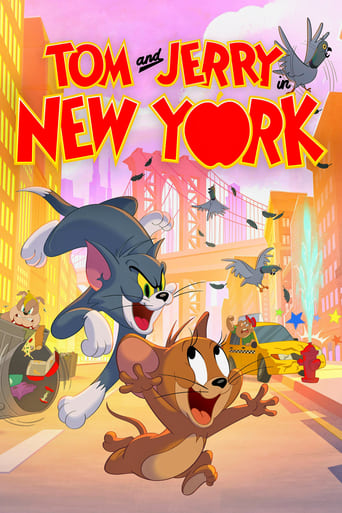
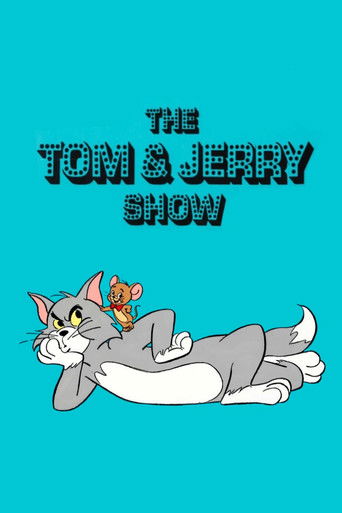
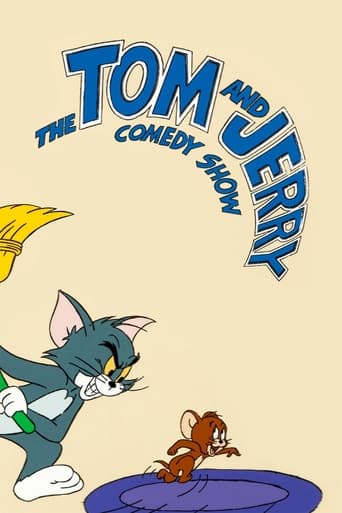
The Tom and Jerry shelf follows the world's most famous cat and mouse. Created by William Hanna and Joseph Barbera at MGM in 1940, Tom and Jerry won seven Academy Awards for their wordless slapstick shorts, and for generations of Indian children they were the first cartoon they ever saw, a daily fixture on television in every language.
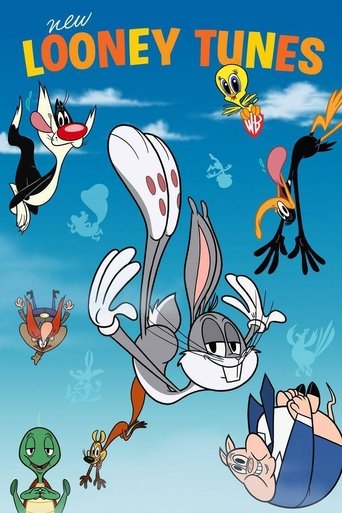
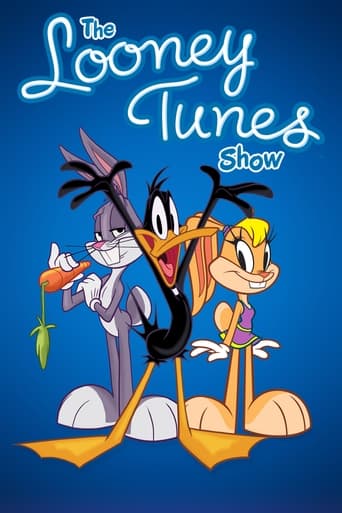
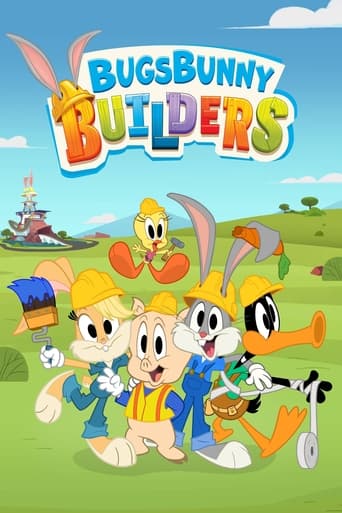
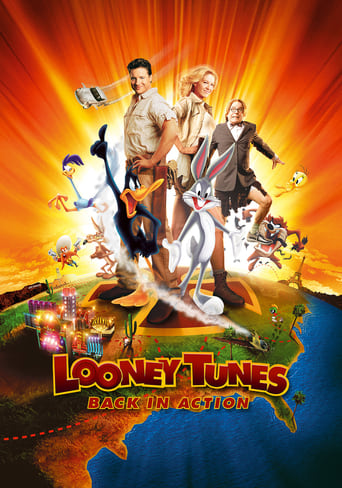
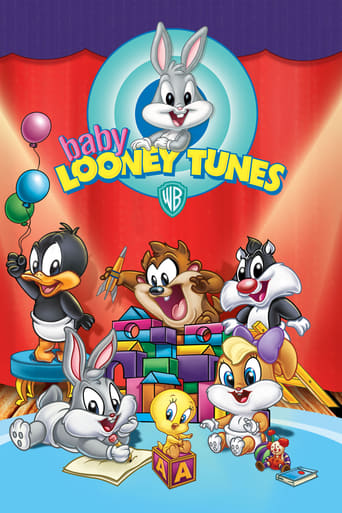
The Looney Tunes shelf gathers Bugs Bunny, Daffy Duck, Tweety, Sylvester, the Road Runner and Wile E. Coyote. Created at Warner Bros. from the 1930s, the Looney Tunes are among the greatest comic characters in animation, and they were a favourite on Indian cartoon channels.
The Cartoon Network classics shelf gathers the original series that made Cartoon Network famous in the late 1990s and 2000s. For many Indian children, these were the shows that defined after-school television, often watched in Hindi with memorable local voices.
The Powerpuff Girls, created by Craig McCracken, follows three super-powered little sisters, Blossom, Bubbles and Buttercup, created by Professor Utonium from sugar, spice, everything nice and an accidental dash of Chemical X. They protect the city of Townsville from the evil monkey Mojo Jojo and a gallery of villains. The Powerpuff Girls Movie tells how they were born and how they won the city's trust, The Powerpuff Girls: 'Twas the Fight Before Christmas is a festive special, and The Powerpuff Girls of 2016 brought them back for a new generation.
Genndy Tartakovsky's Dexter is a boy genius with a secret laboratory and a sister, Dee Dee, who keeps getting into it. In Dexter's Laboratory: Ego Trip, Dexter travels through time to discover how he will one day save the future. Johnny Bravo, created by Van Partible, is a muscle-bound, quiff-haired would-be ladies' man who always gets things wrong, and Johnny Bravo Goes to Bollywood is a special treat for Indian viewers: Johnny travels to Mumbai to revive his career in Hindi cinema, with songs, dances and cameos from the film industry.
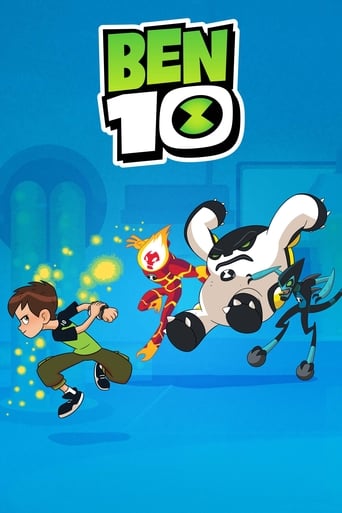
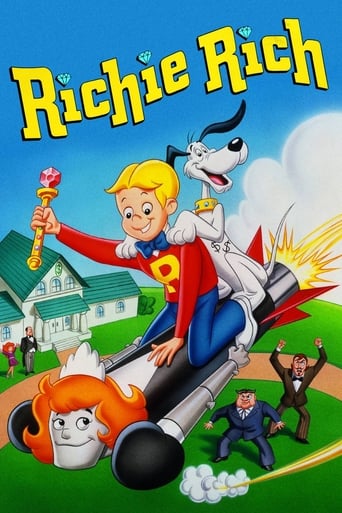
Ben 10, created by the team Man of Action, follows Ben Tennyson, a boy who finds the Omnitrix, an alien watch that lets him turn into ten different alien heroes. The shelf holds the 2016 series Ben 10 and its films Ben 10,010 and Ben Gen 10, along with Ben 10 / Generator Rex: Heroes United. Two series of Richie Rich, the richest boy in the world, round out the shelf.
Oggy and the Cockroaches: The Movie brings the French series to the big screen. Oggy, a lazy blue cat, battles three cockroaches, Joey, Dee Dee and Marky, who invade his home, and the wordless slapstick of the series made it a huge success on Indian television. The film follows the eternal rivals through history, from prehistoric times to the future.
For mythology and festivals, the Mythology shelf is perfect around Janmashtami, Diwali and Dussehra, when the stories of Krishna and Rama are told in homes across India. For a laugh, follow Motu and Patlu through their films, or pick a Shin-chan movie at random.
Cartoons for families
Almost every title on Anime Joker was made for children and families. The Indian series and films carry gentle lessons about friendship, courage, honesty and respect for elders, often wrapped in slapstick and songs, and the mythology films introduce children to the great stories of Indian culture. The Japanese and American favourites are full of warmth and humour that parents enjoy too.
A few titles, such as the Shin-chan films and some Scooby-Doo mysteries, have cheeky humour or mild spooky scenes that suit children a little older. The title pages give the running time and the story, and the official services show an age rating for each title in your country.
Languages and dubs
Dubbing is at the heart of how India watches cartoons. Most of the series and films on Anime Joker have been dubbed into Hindi, and many into Tamil, Telugu, Malayalam, Kannada, Bengali and Marathi as well, often with voice artists who became famous in their own right. Shin-chan's Hindi voice and Doraemon's Hindi catchphrases are known to millions of children.
Official services offer different languages in different countries, and the Watch now button shows which services carry each title where you live. On many services, you can switch the audio and subtitles in the player menu. The Languages and dubs guide explains how, and the Finding a title guide explains searching by original title and by episode.
Watching today
Most of the titles on Anime Joker are available on official services in India and around the world. Children's channels and streaming services carry the Indian series and many of the international favourites, digital shops rent and sell the movies, and several studios post full episodes on their official video channels. The Watch now button shows where each title is available in your country, with labels for subscription, rental, purchase and free viewing.
Availability changes from country to country and from month to month, which is why Watch now asks for your country first. JustWatch then lists every official option in one place, so you can pick the one that suits you.
How the collection is chosen
Every title on Anime Joker was chosen by hand. The editors began with Indian animation and the franchises that became favourites on Indian television, looked them up in The Movie Database, and read the story of each candidate. Live-action films, grown-up comedies and titles made for older audiences were set aside, so the collection stays focused on cartoons and anime for children and families.
Posters, stories and production details come from The Movie Database, and the collection is refreshed as new titles appear. The About page explains more about the site and what it keeps in your browser.
Through the eras
The Before 1990 shelf gathers the oldest titles in the collection: the classic Scooby-Doo series of the 1970s and 1980s, the Pink Panther and Popeye series, the Looney Tunes compilation films, the early Ninja Hattori and Perman films and the first Doraemon series. These are the cartoons that parents and grandparents may remember from Doordarshan and early satellite television, and they still make children laugh today.
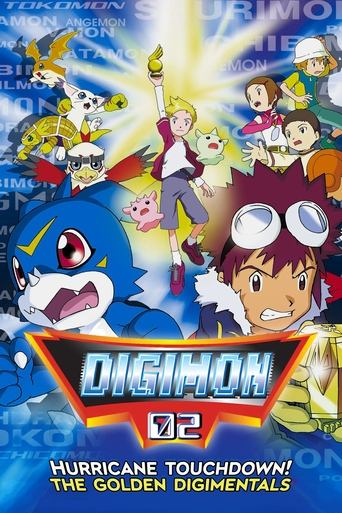
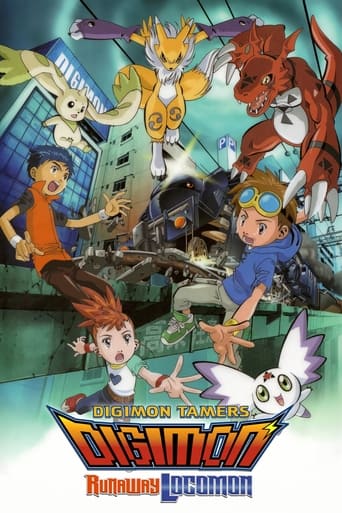
The 1990 to 2009 shelf covers the golden years of the cartoon channels, when Cartoon Network, Pogo and Hungama were at their height. Here are The Powerpuff Girls, Dexter's Laboratory, the Scooby-Doo films of the late 1990s and 2000s, the Tom and Jerry films, the Shin-chan films that Hungama made famous, the Doraemon specials, Hamtaro, Digimon and the first Indian hits, including Little Krishna and Mighty Raju.
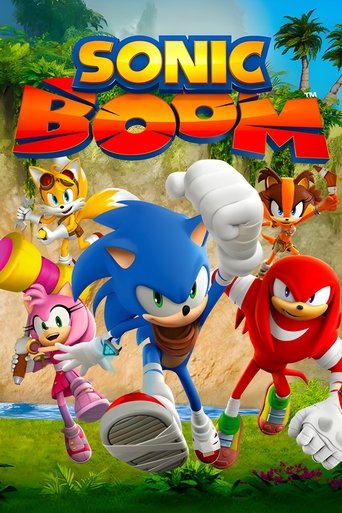
The Since 2010 shelf follows the boom of Indian animation, with the Chhota Bheem and Motu Patlu films, Little Singham and the new mythology films, alongside the later Scooby-Doo, Tom and Jerry and Looney Tunes titles, Ben 10, Sonic Boom, Sonic Prime and the recent Shin-chan films.
Learning with cartoons
Cartoons have always been more than entertainment in India. Many children picked up their first words of English, Hindi or another language from dubbed cartoons, and parents often use a favourite show to help a child learn a new language by switching the audio. The Indian series in particular carry clear lessons about honesty, courage, teamwork and respect, and the mythology films introduce children to the stories behind the country's festivals.
The Japanese favourites have their own gentle lessons. Doraemon teaches that shortcuts and gadgets are fun but hard work pays off in the end, Ninja Hattori shows the value of discipline and loyalty, and Hamtaro celebrates friendship among the smallest creatures. Even the wildest American cartoons, from Tom and Jerry to the Powerpuff Girls, are really about family, friendship and doing the right thing.
Tips for a cartoon marathon
A cartoon marathon is one of the joys of the school holidays. Pick a theme, such as a single hero, a single channel or a single decade, and line up three or four titles. Mix a feature film with a few episodes of a series, and let each child choose one title. The Latest Episodes sidebar on the home page and the season lists on each series page make it easy to pick up where you left off.
For a nostalgic evening, grown-ups might pick one classic from each channel they grew up with: a Tom and Jerry film, a Shin-chan movie, a Powerpuff Girls episode and a Chhota Bheem adventure. My List keeps track of everything you want to watch, and it stays in your browser for next time.
Cartoons for grown-ups who grew up with them
Many visitors to Anime Joker are adults looking for the cartoons of their own childhood. Revisiting a favourite series years later is a special pleasure: the jokes that went over your head as a child suddenly make sense, the theme tunes bring back memories of school afternoons, and the characters feel like old friends. The classic Scooby-Doo series, the Pink Panther, Popeye and the first Doraemon episodes are especially good for this kind of nostalgic viewing.
Grown-ups also enjoy discovering the stories behind the cartoons they loved: that Tom and Jerry won seven Academy Awards, that Shin-chan's films are some of the most admired family films in Japan, that Johnny Bravo once went to Bollywood, or that Chhota Bheem was made by a small studio in Hyderabad that grew into one of the largest in the country. The title pages list the studios, directors and voice casts, so every favourite comes with a little history.
Sharing these cartoons with the next generation is perhaps the best part. Children today often enjoy the same shows their parents loved, and watching together is a lovely way to spend an evening. Anime Joker keeps all of them a single search away.
Studios to know
A few studios stand behind most of the Indian titles in the collection. Green Gold Animation, founded in Hyderabad in 2001 by Rajiv Chilaka, created Chhota Bheem and Mighty Raju and became one of the largest animation studios in India. Cosmos-Maya, based in Mumbai, brought Motu Patlu to television and has since produced many more series for Indian and international channels. Reliance Animation made Little Singham and co-produced new Ninja Hattori episodes, and Big Animation made the Little Krishna series with an ambitious computer-animated look.
Among the international studios, Hanna-Barbera made Scooby-Doo, Tom and Jerry's television series and many classic cartoons, Warner Bros. Animation made the Looney Tunes films and series, Cartoon Network Studios made The Powerpuff Girls, Dexter's Laboratory and Johnny Bravo, and Shin-Ei Animation in Tokyo made Crayon Shin-chan, Doraemon and Ninja Hattori. The title pages list the studio of every title, so you can follow a favourite studio through the collection.
Anime Joker is a guide to the cartoons and anime India grew up with, from Chhota Bheem and Motu Patlu to Shin-chan, Doraemon, Tom and Jerry and Scooby-Doo, with a Watch now button that opens each title on the official services in your country.
Where should I start?
Chhota Bheem: Master of Shaolin, Tom and Jerry: The Movie and Johnny Bravo Goes to Bollywood are three fun ways into the collection.
Who created Chhota Bheem?
Rajiv Chilaka created Chhota Bheem at Green Gold Animation in Hyderabad, and the series first aired on Pogo in 2008.
Are the cartoons available in Hindi, Tamil and Telugu?
Many titles are dubbed into Hindi, Tamil and Telugu, and the Watch now button shows which services carry each title in your country.
Which titles suit young children?
Chhota Bheem, Motu Patlu, Little Krishna, Doraemon, Hamtaro and Tom and Jerry are great choices for young children.
Where do Shin-chan and Doraemon come from?
Both come from Japan. Shin-chan was created by Yoshito Usui and Doraemon by Fujiko F. Fujio, and both became favourites in India through their Hindi dubs.
How does the Watch now button work?
Choose your country and press Watch now. JustWatch opens with the subscription, rental, purchase and free services that carry the title where you live.
How do I save titles for later?
Press Add to My List on any title page. My List lives in your browser and can be exported to a small file for another device.
Can I search in Hindi?
Yes. Type an original title such as छोटा भीम into the search box, or add a season and an episode, such as Loonatics Unleashed S2E3, to land on a single episode.
Is there a film about Johnny Bravo in India?
Yes. Johnny Bravo Goes to Bollywood sends Johnny to Mumbai to revive his career in Hindi cinema.